
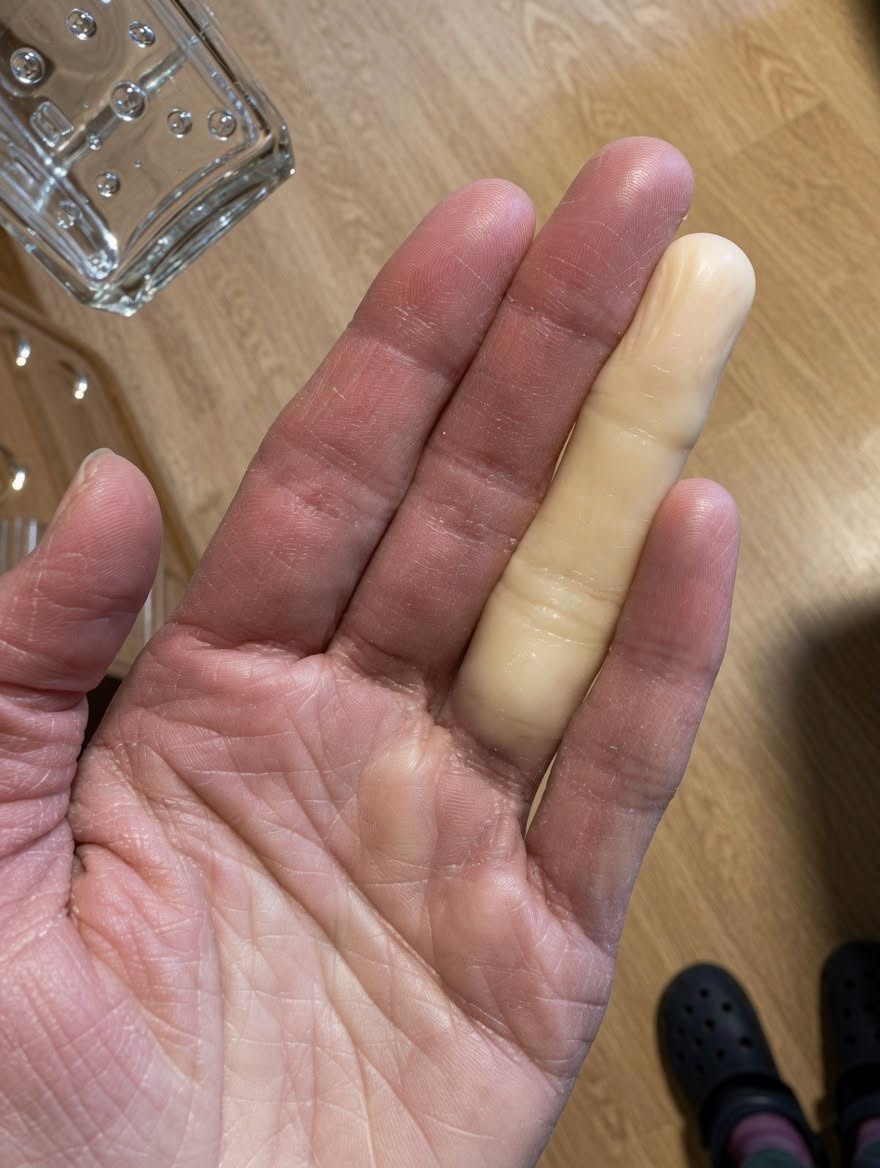
Many individuals notice this distinctive color change specifically upon waking in the morning or during the middle of the night. Sleep introduces a unique set of physiological and environmental variables that can act as catalysts for localized circulatory shifts.
The Impact of Low Air Conditioning and Chilly Rooms
One of the most frequent contemporary culprits is the improper management of indoor climate control. Sleeping with an air conditioning unit set to an excessively low temperature—or positioning your bed directly beneath a continuous, downward stream of cold air—can cool the skin surface dramatically over several hours.
Because your metabolic rate naturally drops and your core body temperature lowers slightly during deep sleep cycles, your extremities become highly vulnerable to external temperature drops. A continuous chilly draft blowing over an exposed hand resting outside the blankets is often all it takes to activate a localized vascular spasm.
Physical Compression and Awkward Sleep Postures
Another highly common reason for localized numbness, tingling, and paleness upon waking is physical compression. If you roll over onto your arm or tuck your hand tightly beneath your body, pillow, or partner during sleep, the sustained weight can compress both the local nerves and peripheral blood vessels.
While resting on a limb typically causes the classic “pins and needles” sensation (temporary nerve compression), it can also physically impede surface-level blood flow. When combined with a cool bedroom environment, this physical pressure makes it even easier for sensitive microvessels to constrict, leading to that startling pale appearance and temporary numbness.
3. Gentle Ways to Prevent and Soothe Nighttime Chills
You do not need to overhaul your life to prevent this from happening. A few simple, resourceful adjustments to your bedtime routine can make a profound difference in your overnight circulation.
- Adjust the Thermostat: Aim for a bedroom temperature that is cool but not freezing (around 65°F to 68°F or 18°C to 20°C is generally recommended for sleep, but adjust based on your personal comfort).
- Keep Hands Covered: If you tend to throw your arms outside the covers, try wearing a pair of lightweight, breathable cotton sleep gloves, or simply tuck your hands under a light blanket.
- Mind Your Sleep Posture: Try to train yourself to sleep on your back or side without tucking your hands under your pillow or body. A body pillow can help prevent you from rolling onto your arms.
- The Gentle Warm-Up: If you wake up with a pale finger, do not plunge it into hot water. Instead, gently swing your arm in a wide circle (like a windmill) to encourage blood flow via gravity, or soak the hand in lukewarm (not hot) water until the color and sensation return.
4. When to Seek Professional Guidance
While waking up with a pale finger once in a while due to a cold room or awkward sleeping position is entirely normal, there are times when it is wise to consult a healthcare provider.
Consider scheduling a visit if you notice:
- The color changes happen frequently, even in warm environments.
- The paleness affects multiple fingers or toes simultaneously.
- The red “rewarming” phase is accompanied by severe pain or throbbing.
- You develop sores, ulcers, or thickened skin on your fingertips.
- You have other symptoms like joint pain, skin rashes, or difficulty swallowing.
These could be signs of Raynaud’s phenomenon (a common, highly manageable condition where blood vessels overreact to cold or stress) or another underlying circulatory issue that a doctor can easily evaluate and treat.

The Silent Energy Thieves: How “Phantom Power” and Everyday Habits Quietly Inflate Your Electricity Bill (And How to Gently Take Control)

The Silent Energy Thieves: How “Phantom Power” and Everyday Habits Quietly Inflate Your Electricity Bill (And How to Gently Take Control)

Never Uproot This Plant If It Appears in Your Garden: The Hidden Superfood Hiding in Plain Sight

Why Drivers Display This Upside-Down Sticker on Their Cars: The Quirky, Meaningful Trend Behind Washington’s Flipped State Outline
What risks do you run when you sleep on your right side?