
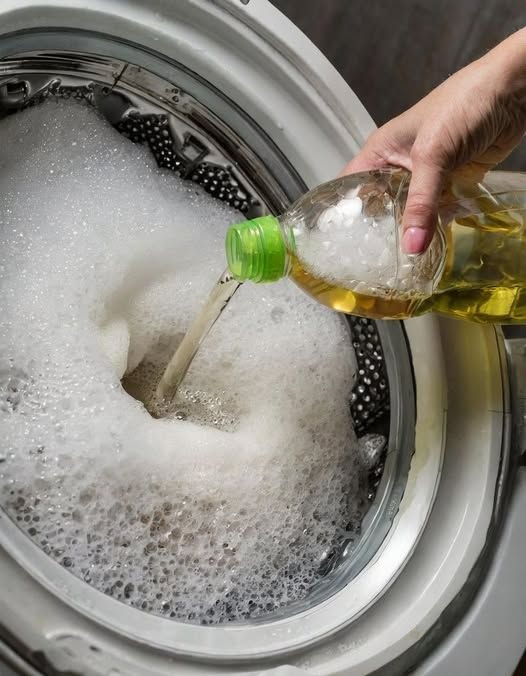
The Secret to Whiter Whites & Fluffier Towels? Vinegar—But Only If You Use It Right
👕 For All Laundry (General Maintenance)
- Add ½ cup vinegar to the rinse cycle weekly to:
- Prevent static cling
- Reduce lint and pilling
- Keep your washing machine fresh and odor-free
- Extend the life of elastic and spandex
🚫 When NOT to Use Vinegar in Laundry
While vinegar is a powerhouse, it’s not universal. Avoid it with:
-
-
- Silk or wool: Acid can damage delicate protein fibers
-
- Elastic-heavy items (like underwear or swimwear): Over time, acidity may weaken elastics (use sparingly)
-
- Stone-washed or acid-washed denim: May alter the finish
- When using chlorine bleach: NEVER mix vinegar + bleach—it creates toxic chlorine gas
⚠️ Safety note: Always use distilled white vinegar (5% acidity)—not apple cider or cleaning vinegar (which can stain).
🧼 Vinegar vs. Commercial Products: What’s Better?
|
Concern
|
Commercial Fabric Softener
|
Vinegar
|
|---|---|---|
|
Softens fabrics
|
✅ (but coats fibers)
|
✅ (cleans + softens)
|
|
Whitens clothes
|
❌
|
✅ (removes residue)
|
|
Eliminates odors
|
❌ (masks with perfume)
|
✅ (neutralizes at source)
|
|
Eco-friendly
|
❌ (plastic, chemicals)
|
✅ (biodegradable, zero waste)
|
|
Cost per load
|
$0.20–$0.50
|
$0.03–$0.05
|
Verdict: Vinegar wins on performance, cost, and safety—when used correctly.
🧺 Pro Tips from Laundry Experts
- Clean your machine monthly: Run an empty cycle with 2 cups vinegar on hot to dissolve soap scum and mildew.
- Combine with baking soda? Careful! Use baking soda in the wash (boosts detergent), vinegar in the rinse—but never mix them in the same cycle (they fizz and cancel out).
- No vinegar smell left behind: The acidic scent completely dissipates when dry—your clothes will smell fresh and clean, not like a salad.
Continued on next page//

