

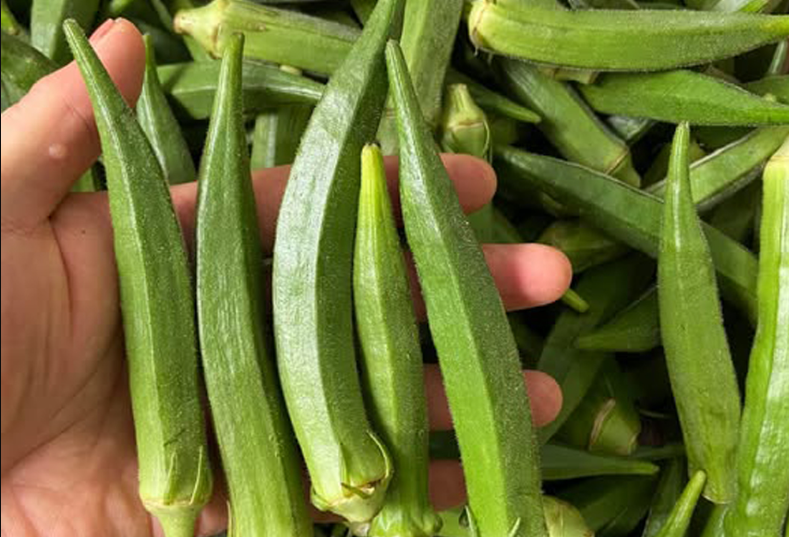
Researchers studying diabetes often examine foods that may improve insulin sensitivity. Insulin sensitivity refers to how effectively the body responds to insulin, the hormone responsible for moving glucose from the bloodstream into cells. Some animal studies suggest that compounds present in okra seeds and peel may support improved insulin response. Although human research remains limited, these findings align with broader evidence showing that fiber-rich diets benefit blood sugar regulation.
Another potential benefit of okra involves cholesterol levels. Individuals living with diabetes often face a higher risk of cardiovascular disease. Okra’s soluble fiber can bind to bile acids in the digestive tract. This process may help reduce levels of LDL cholesterol, often referred to as “bad cholesterol.” Maintaining healthy cholesterol levels contributes to improved cardiovascular health, which is particularly important for people managing diabetes.
Weight management also plays a key role in controlling type 2 diabetes. Okra can support this goal because it is naturally low in calories and high in fiber. Fiber-rich foods promote a feeling of fullness, which may help reduce overeating and support balanced eating habits. Including vegetables such as okra in meals can therefore assist individuals who are working to maintain or achieve a healthy weight.
In recent years, the concept of “okra water” has become popular online. This preparation typically involves soaking sliced okra pods in water overnight and drinking the liquid the next day. Some people believe that compounds released into the water may help stabilize blood sugar levels.
Although okra water may provide mild hydration and small amounts of soluble fiber, scientific evidence supporting strong blood sugar effects from this practice remains limited. Experts generally emphasize that whole foods provide more nutritional value than isolated extracts or infused beverages. Eating the entire vegetable allows the body to benefit from its full range of fiber, vitamins, and plant compounds.
People considering adding okra to their diet should also be aware of potential precautions. Because okra may contribute to mild reductions in blood sugar, individuals taking diabetes medications such as insulin or metformin should monitor their glucose levels carefully. Combining dietary changes with medication adjustments may require guidance from a healthcare professional.
continued on the next page