
Hot Water and Dizziness
Hot water can be relaxing, but very hot showers can trigger dizziness in some people. One reason for this is that heat can affect blood vessels and circulation. The Cleveland Clinic explains that orthostatic hypotension can cause dizziness or lightheadedness upon standing, and high temperatures can exacerbate these symptoms.
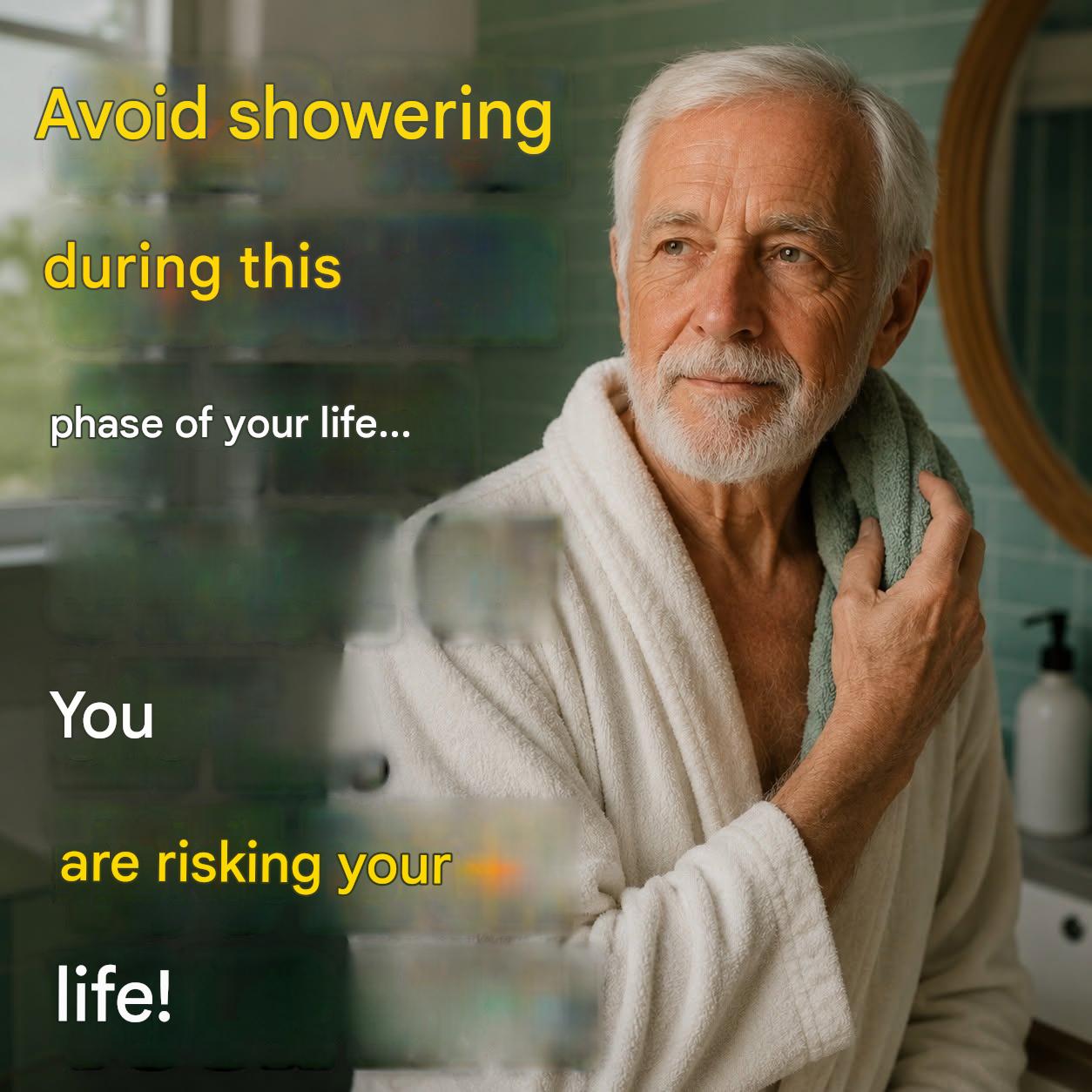
For seniors, dizziness in the shower can quickly become dangerous because the floor is wet, the space is confined, and there may be little time to react before slipping.
The Risks of Showering Right After Waking Up
Some older adults feel weaker or less steady on their feet first thing in the morning. After a night’s sleep, the body can be slightly dehydrated, blood pressure can fluctuate, and getting up too quickly can cause lightheadedness.
This doesn’t mean seniors have to forgo showering in the morning. However, those who frequently experience dizziness after waking up should be careful, sit up slowly, drink some water, wait a moment, and avoid very hot water.
Frequent dizziness, fainting, or weakness should be discussed with a doctor. The NHS (National Health Service) recommends seeing a GP if symptoms of low blood pressure, such as dizziness and fainting, occur repeatedly.
The Risks of Showering Right After Eating
Some people, especially older adults, may experience a drop in blood pressure after eating. This is known as postprandial hypotension. The Mayo Clinic explains that this drop in blood pressure occurs 1 to 2 hours after eating and primarily affects older adults.
If seniors already feel drowsy, weak, or groggy after eating, a hot shower immediately afterward may not be advisable. Waiting, using lukewarm water, and sitting down if necessary can reduce the risk.
Risks of Very Late, Hot Showers
A warm shower can help some people relax, but a very hot shower late at night can be unpleasant for seniors who already suffer from dizziness, overheating, or sleep disturbances.
The main concern isn’t just the time. It’s the person’s condition at that time: fatigue, darkness, lack of motivation, the effects of medication, and the risk of slipping while half asleep.
For many older adults, showering earlier in the day, when they are more alert and the bathroom is well-lit, may be safer.