
8. Relocating an Egg Case Safely
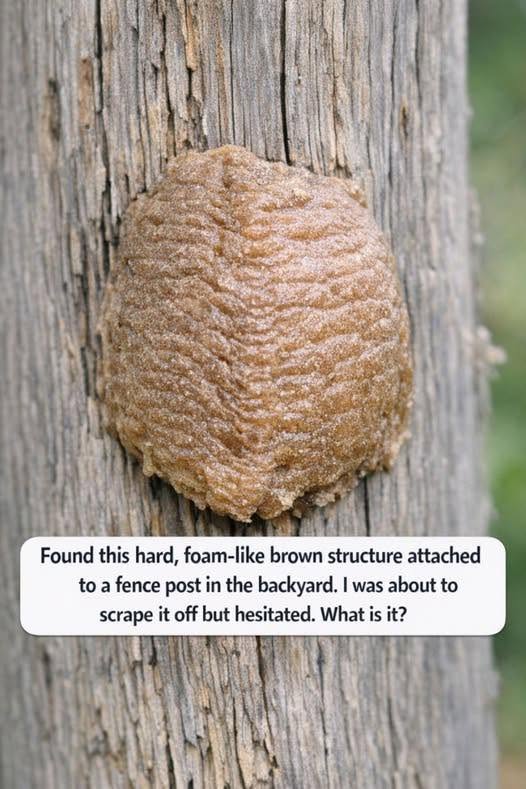
If an egg case is in a high-traffic area where it could be damaged, you can move it carefully. Choose a protected spot, such as a dense shrub or sheltered garden corner.
Instead of scraping it off, gently cut the twig or branch it’s attached to. Secure it upright in its new location using soft ties or string. This preserves the integrity of the casing and ensures the eggs can hatch safely.
9. Why Gardeners Appreciate Mantises
Gardeners often welcome mantises for their pest-control benefits. They help manage aphids, caterpillars, and other plant-damaging insects, reducing the need for chemical pesticides.
Beyond practicality, mantises are captivating to watch. Their slow swaying movements mimic leaves in the wind, making them both effective hunters and fascinating garden residents.
10. Avoiding Common Misidentifications
Mantis egg cases are sometimes confused with wasp nests or fungal growths. Wasp nests are papery with visible honeycomb cells, while fungi tend to have softer, irregular textures.
An ootheca, by contrast, has a firm, foam-like surface, an elongated shape, and subtle ridges. Recognizing these features helps prevent accidental removal of something beneficial.
11. Turning Surprise Into a Science Lesson
What might initially seem unpleasant can become a valuable learning opportunity. Observing an egg case and researching the mantis life cycle can spark curiosity—especially in children.
Consider documenting its development or noting when hatching occurs. Transforming this backyard discovery into a hands-on science experience deepens appreciation for nature and encourages future generations to respect and protect the ecosystems around them.