
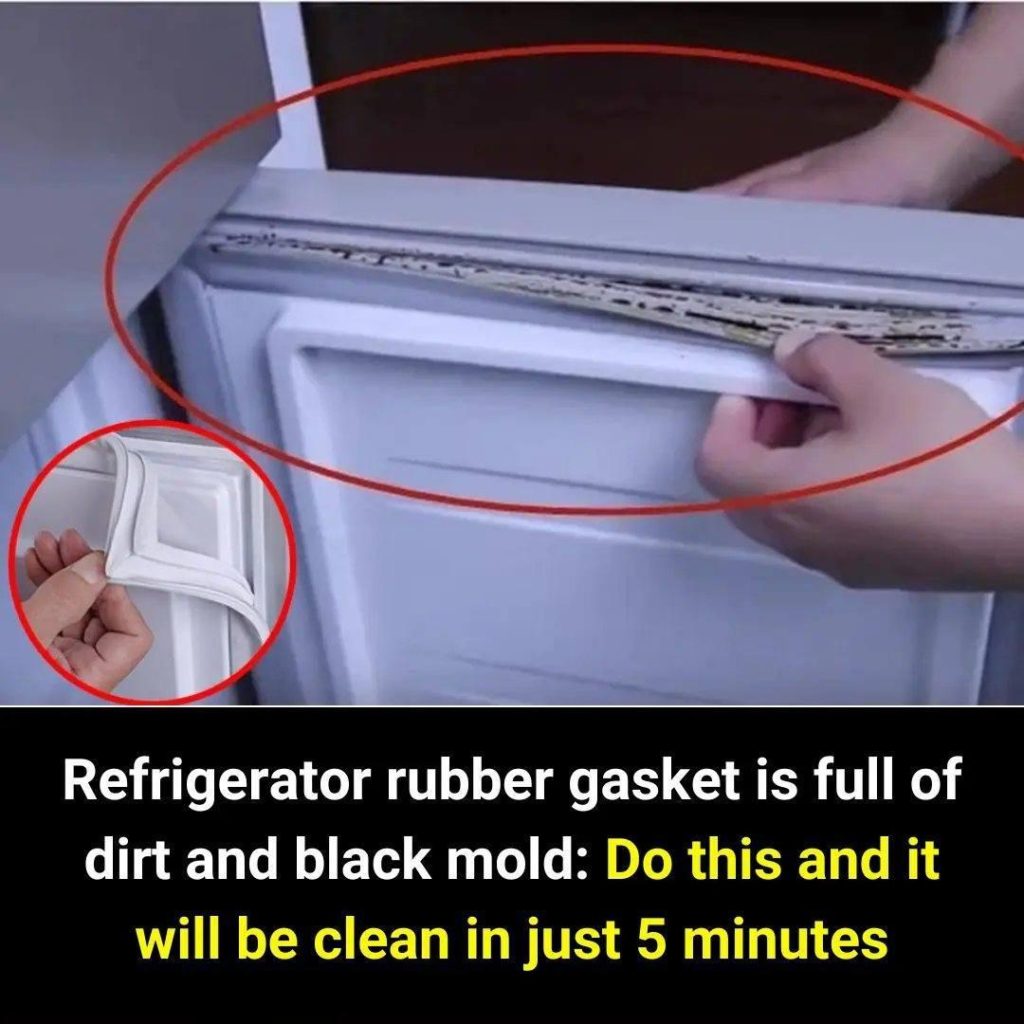
4. Dry Thoroughly
Drying the gasket completely is crucial. Moisture left on the seal can quickly lead to mold returning. Use a dry towel to pat the gasket until no moisture remains. With these simple steps, you can tackle mold quickly and keep your refrigerator fresh and hygienic with minimal effort.
Alternative Cleaning Methods
If the vinegar solution doesn’t remove all the mold, there are other effective options:
- Baking Soda Paste: Mix baking soda with water to create a thick paste and use it to scrub the gasket. It’s mildly abrasive and lifts stubborn stains without harming the material.
- Hydrogen Peroxide: For more resilient mold, a 3% hydrogen peroxide solution can help kill fungi and bacteria. Apply it to the gasket, let it sit a few minutes, then scrub and rinse.
- Avoid harsh chemicals like bleach directly on rubber, as these can weaken the gasket over time and damage the material.
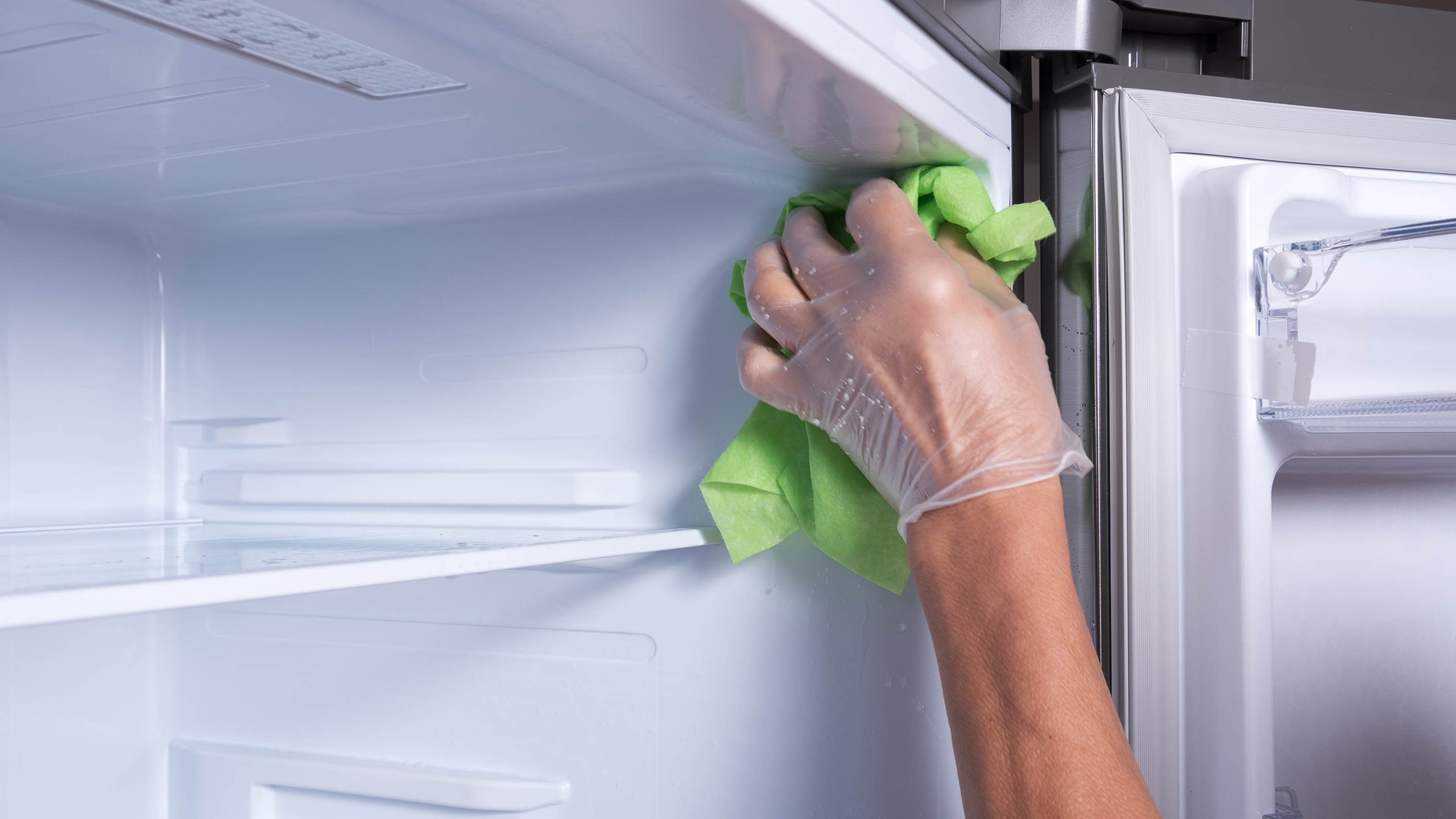
Tips to Prevent Mold from Returning
1. Clean Regularly: A quick wipe of the gasket once a month with vinegar or warm soapy water can prevent buildup and mold.
2. Wipe Spills Immediately: Don’t let crumbs or liquids sit in the gasket grooves; these provide food for mold.
3. Dry After Cleaning: Always ensure the gasket is fully dry, reducing moisture that encourages mold growth.
4. Check the Seal: If the gasket becomes cracked or damaged, replace it — a good seal helps reduce humidity buildup.
Why It Matters
Cleaning your refrigerator gasket isn’t just about appearance. A mold-free gasket helps maintain food safety, prevents musty odors, and ensures your appliance operates efficiently. With a few simple household supplies and a few minutes of your time, you can protect both your health and your refrigerator’s performance.

