
The Great Onion Confusion: The Difference Between Green Onions, Scallions, Spring Onions, and Chives (And How to Use Them)

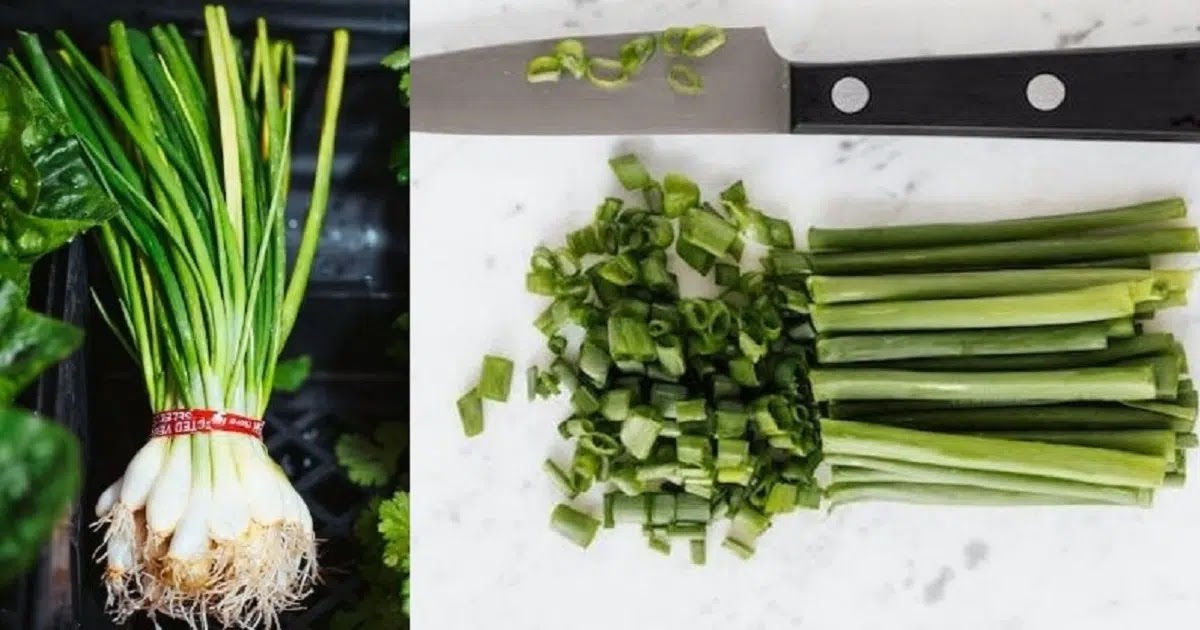
🧅 What Are Green Onions?
If you’re standing in the grocery store wondering if green onions and scallions are the exact same thing, the answer is: usually, yes! In most supermarkets, the terms “scallions” and “green onions” are used completely interchangeably to describe the exact same vegetable.
However, in some regions or at farmers’ markets, “green onion” might refer to a slightly more mature scallion. These might have a very tiny, slightly wider white base and a marginally stronger, more pungent flavor. They are a staple in Asian cuisines, particularly in Chinese and Korean dishes, where they are tossed into sizzling stir-fries, folded into dumplings, or sprinkled generously over comforting bowls of noodle soup.
🧅 What Are Spring Onions?
Here is where the confusion usually peaks. While they look similar from a distance, spring onions are actually a different stage of growth.
Spring onions are left in the ground much longer than scallions or green onions. Because they have more time to grow, they develop a distinct, round, fully formed white bulb at the bottom—similar to a small, mature white onion. The green tops are still hollow and tender, but the white bulb is the star of the show.
How They Taste and Cook:
Because of that mature bulb, spring onions have a much stronger, sweeter, and more pungent onion flavor than scallions.
- The Green Tops: Can be used just like scallions for a fresh garnish.
- The White Bulb: Should be treated like a regular onion. Chop it up and sauté it as the aromatic base for soups, stews, and hearty casseroles, or slice it in half and roast it until it becomes meltingly sweet and caramelized.
🌿 What Are Chives?
Finally, we come to the delicate, elegant chive. Unlike the other three, chives are not an onion vegetable; they are a leafy herb.
They look like incredibly thin, hollow, dark green grass blades. They do not have a white bulb at all. When you cut them, they release a very mild, delicate, and slightly garlicky onion flavor. Because their flavor is so subtle, they are almost always used raw as a finishing garnish. If you cook them, they lose their flavor almost entirely.