
The Great Onion Confusion: The Difference Between Green Onions, Scallions, Spring Onions, and Chives (And How to Use Them)

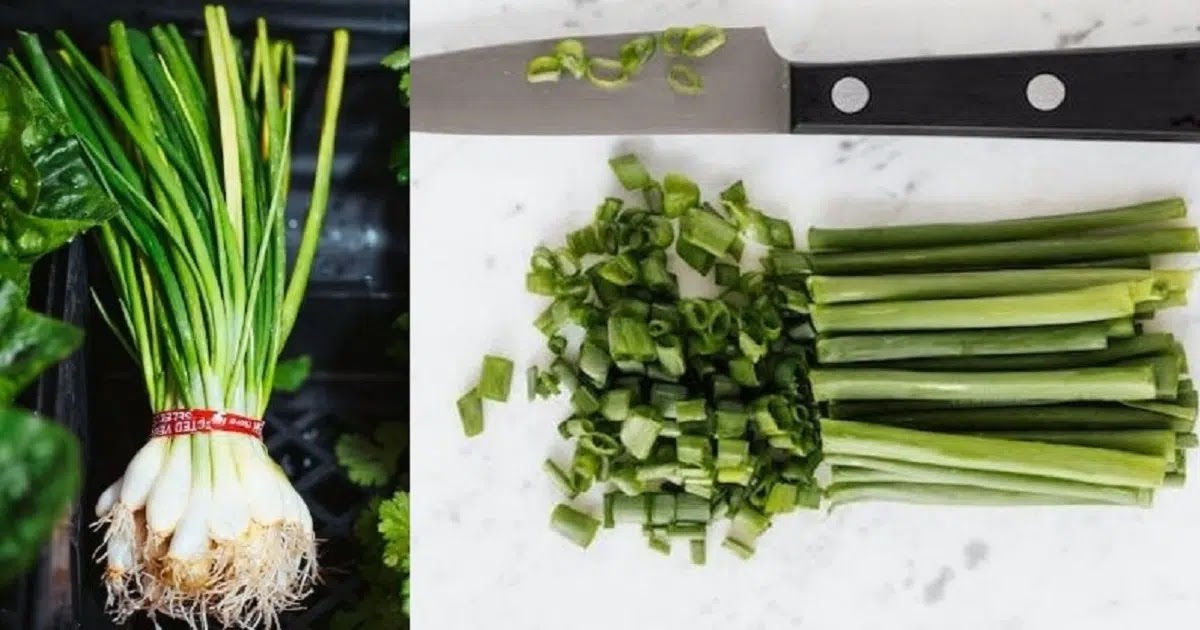
🔄 The Substitution Guide: Can You Swap Them?
When a recipe calls for one, but you only have another in your fridge, don’t panic! Here is your cheat sheet for swapping these alliums.
🥣 A Nostalgic Bonus: 3-Ingredient Chive & Cream Cheese Potluck Dip
Since I have such a deep love for simple, minimal-ingredient recipes that are perfect for church potlucks, family gatherings, or just a quiet evening with crackers, I have to share this unfussy, crowd-pleasing classic. It requires almost no effort, travels beautifully, and highlights the delicate, nostalgic flavor of fresh chives.
Ingredients:
- 8 oz Cream Cheese, softened to room temperature
- ¼ cup Sour Cream (or plain Greek yogurt for a tangy twist)
- 3 tablespoons Fresh Chives, finely snipped (plus a little extra for sprinkling on top) (Optional: A pinch of garlic powder and a crack of black pepper)
Instructions:
- In a medium bowl, gently fold together the softened cream cheese and sour cream until smooth and creamy.
- Fold in the freshly snipped chives, garlic powder, and black pepper.
- Transfer to a small serving bowl, smooth the top, and sprinkle a few extra chives over the center for a beautiful, festive look.
- Serve with sturdy crackers, pretzel crisps, or fresh veggie sticks.
It’s creamy, it’s herbaceous, and it’s the exact kind of fuss-free, comforting appetizer that brings people together around a table.
❓ Frequently Asked Questions
Q: How do I keep scallions and chives from going bad in the fridge?
A: They love moisture! The best way to store them is to wrap them loosely in a slightly damp paper towel, place them inside a reusable plastic bag or airtight container, and keep them in the crisper drawer. They can last up to two weeks this way.
A: They love moisture! The best way to store them is to wrap them loosely in a slightly damp paper towel, place them inside a reusable plastic bag or airtight container, and keep them in the crisper drawer. They can last up to two weeks this way.
Q: Can I regrow green onions from the scraps?
A: Yes! This is a wonderful, resourceful kitchen trick. Save the white root ends (about an inch long) after you chop your scallions. Place them root-down in a small glass with an inch of water. Place it on a sunny windowsill and change the water every couple of days. You’ll see new green shoots growing in just a few days!
A: Yes! This is a wonderful, resourceful kitchen trick. Save the white root ends (about an inch long) after you chop your scallions. Place them root-down in a small glass with an inch of water. Place it on a sunny windowsill and change the water every couple of days. You’ll see new green shoots growing in just a few days!
Q: Why do my spring onions make me cry, but scallions don’t?
A: When you cut an onion, you break its cells, releasing an enzyme that creates a mild sulfuric acid gas (which hits your eyes and makes you tear up). Because spring onions have a mature bulb, they contain much more of this compound than the young, mild scallions. To avoid tears, chill your spring onions in the fridge for 20 minutes before chopping, or cut them under a running vent hood.
A: When you cut an onion, you break its cells, releasing an enzyme that creates a mild sulfuric acid gas (which hits your eyes and makes you tear up). Because spring onions have a mature bulb, they contain much more of this compound than the young, mild scallions. To avoid tears, chill your spring onions in the fridge for 20 minutes before chopping, or cut them under a running vent hood.
Q: Are the green tops of spring onions edible?
A: Absolutely! They are edible and delicious, though they can be a bit tougher and more fibrous than scallion greens. They are best sliced very thinly and used as a garnish, or cooked down in soups and stews to soften their texture.
A: Absolutely! They are edible and delicious, though they can be a bit tougher and more fibrous than scallion greens. They are best sliced very thinly and used as a garnish, or cooked down in soups and stews to soften their texture.

The 3 Types of Breakfast That Could Damage Your Kidneys

Scientists Explore a Potential Link Between Maternal Gut Health and Autism—But Here’s What We Actually Know

5 signs that many believers interpret as the action of the Holy Spirit in their lives.

97-year-old orthopedic doctor reveals: ONLY 1 food rebuilds knee cartilage in 24 hours!… To keep receiving my recipes, you just need to say something… Thank you!

5 Common Mistakes Many People Make When Eating Sweet Potatoes and How to Avoid Them