
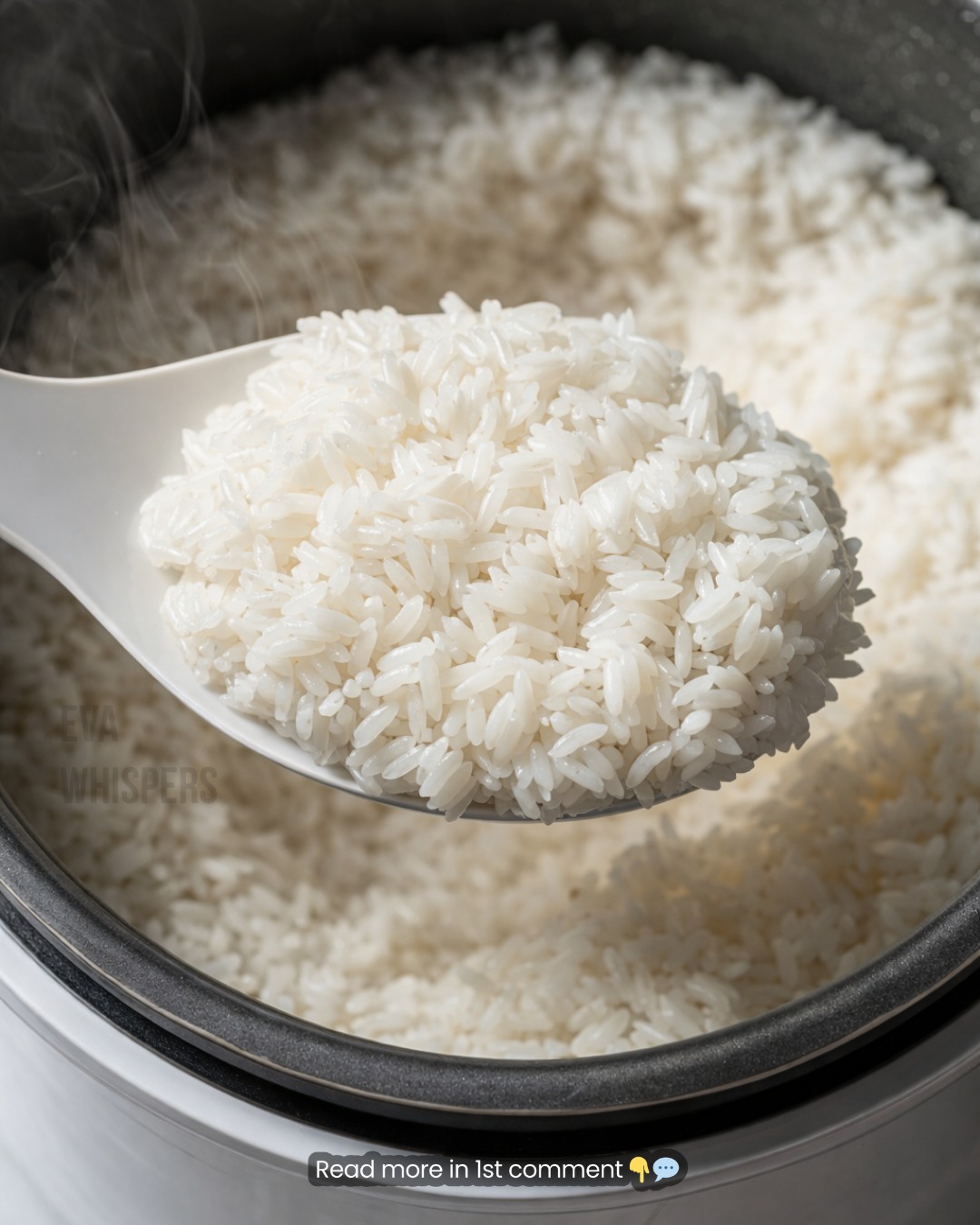
Rice is one of the most widely consumed staple foods in the world, especially in Asia. While brown rice is often praised for its higher nutritional value, white rice remains the more popular choice due to its softer texture, milder flavor, and faster cooking time. But what actually happens when you eat white rice regularly? Let’s explore its nutritional profile, benefits, and potential health risks.
Nutritional Profile of White Rice
White rice is produced by milling brown rice to remove the bran and germ, leaving only the starchy endosperm. This process changes both its taste and nutritional content. Compared to brown rice, white rice contains:
- Fewer nutrients: The bran and germ are rich in fiber, vitamins, and minerals, which are lost during milling.
- Lower fiber content: White rice has less than 1 gram of fiber per 100 grams cooked, while brown rice has about 3 grams.
- Higher glycemic index (GI): White rice has a GI of around 64, meaning it raises blood sugar more quickly than brown rice (GI ~55).
Despite these differences, white rice is still a source of carbohydrates, providing quick energy and being naturally gluten-free.
Benefits of Eating White Rice
Quick Energy Boost
White rice is digested rapidly, making it an excellent source of fast energy. Athletes or individuals engaged in intense physical activity often rely on it to replenish glycogen stores.
Continued on next page//

