
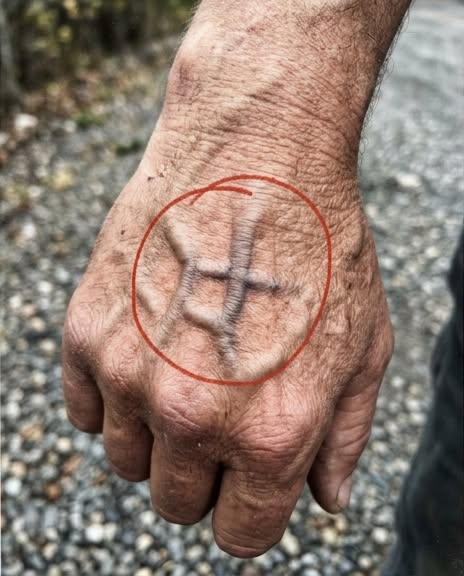
Kidneys play a key role in fluid regulation. When they aren’t functioning properly, the body may retain fluid. This usually causes puffiness or swelling, not more visible veins.
In fact:
Swollen hands may make veins appear less visible.
Dehydration, on the other hand, can make veins look more prominent.
Mild dehydration reduces plasma volume, making veins stand out temporarily. While severe or repeated dehydration can strain the kidneys, visible veins alone are not proof of kidney damage.
When Veins Might Be Related to Kidney Conditions

There are limited situations where veins and kidney disease intersect.
Dialysis and Enlarged Arm Veins
In advanced kidney failure such as End-stage renal disease, patients may require dialysis.
To prepare for dialysis, doctors often create an arteriovenous (AV) fistula in the arm. This procedure intentionally enlarges veins to allow repeated access for treatment. These veins become:
More visible
Thicker
Sometimes slightly raised
This is a treatment-related change — not a symptom of kidney disease itself.
Red Flags That Actually Warrant Medical Attention
Rather than focusing on vein visibility, pay attention to the following warning signs:
Persistent swelling in hands, ankles, or around the eyes
Decreased or excessive urination
Foamy urine
Chronic fatigue
High blood pressure
Shortness of breath
Unexplained nausea
If visible veins are accompanied by significant swelling, pain, or sudden changes in circulation, other vascular conditions (not kidney disease) may need evaluation.
The Bottom Line
Continued on next page//

