
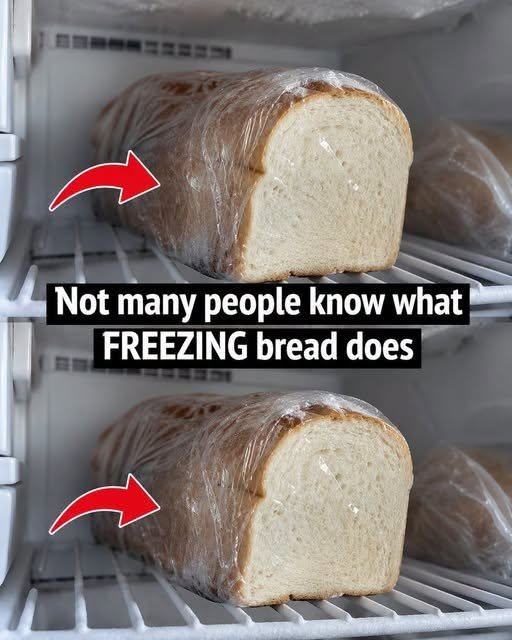
Subtitle: It is completely understandable why you would turn to the freezer. But if you’ve ever pulled a loaf out of the freezer only to find it dry, crumbly, or covered in icy crystals, you know the freezer isn’t a magic time machine.
Let me tell you about the last time I tried to freeze a loaf of bread.
I’d bought a beautiful artisan sourdough from a local bakery, and I wanted to save it for later. I threw it in the freezer in its original paper bag and thought nothing of it. A few weeks later, I pulled it out, excited for a fresh slice of toast.
It was a disaster. The crust was tough, the inside was dry and crumbly, and it tasted like freezer burn. I’d ruined a perfectly good loaf of bread.
I assumed freezing bread was just a risky business—sometimes it works, sometimes it doesn’t. But then I learned the science behind it, and I realized I’d been doing it wrong all along.
Since you love understanding the science behind how things work, let’s decode exactly why bread goes stale, why the refrigerator is actually its worst enemy, and the brilliant, no-fuss “Double-Wrap” method to keep your bread tasting freshly baked for up to three months.